
Thermal Drone Railway Inspection Services Across Western Canada
Transport Canada certified RPAS operators using radiometric thermal imaging to detect internal tie rot, ballast water traps, and joint distress in a single pass with zero track downtime.
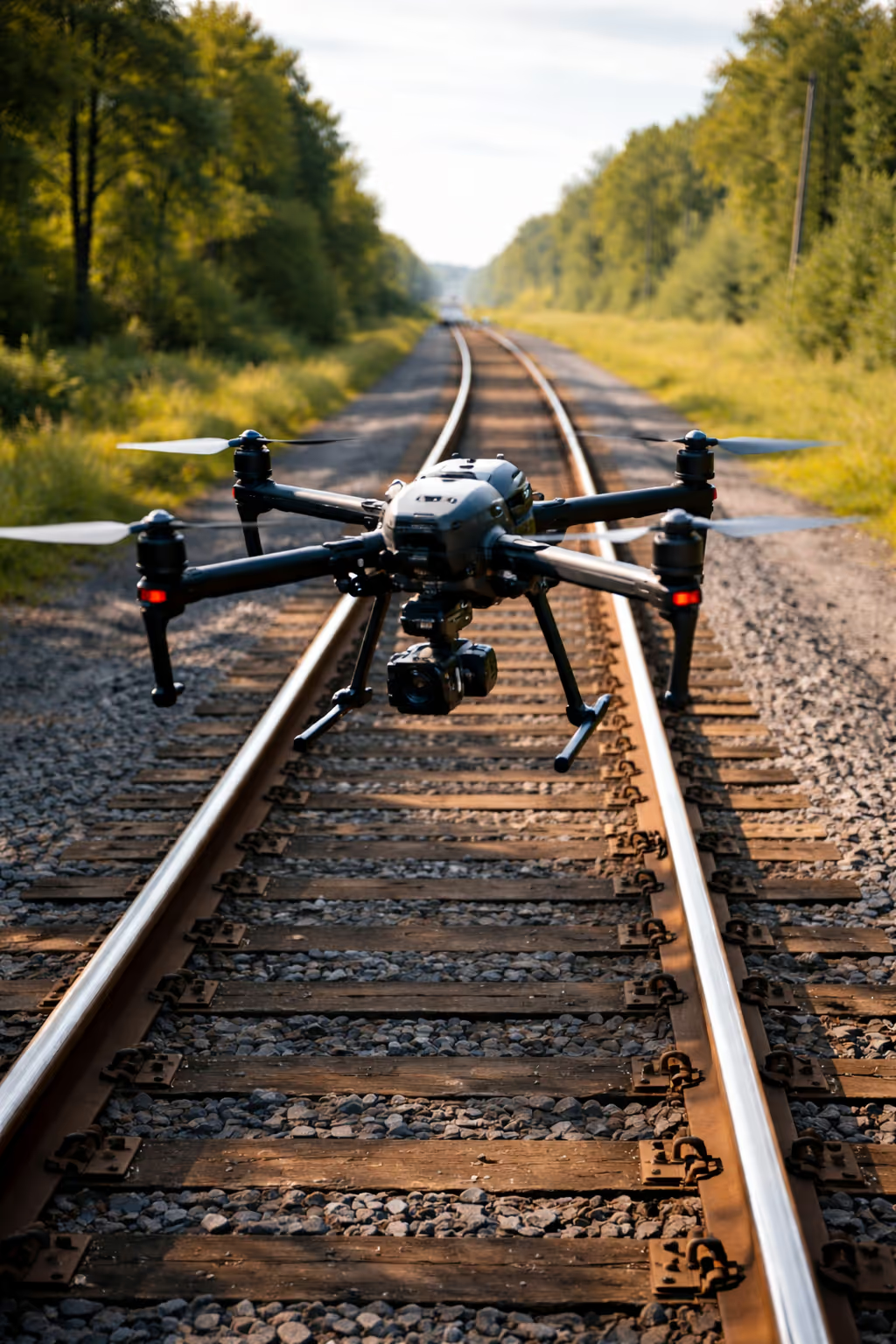
Radiometric Thermal Drone Inspections for Active Rail Corridors
Walking tracks on foot only catches surface-level defects. Our thermal drone inspection services map entire rail corridors from above, capturing temperature variations that reveal structural failures hiding beneath the surface.
Radiometric thermal scanning identifies critical hazards before they result in slow orders, derailments, or unplanned line shutdowns.
Our drones map:
- Track Ties: Internal rot, crushed wood, and loose tie plates.
- Rail & Joints: Friction points, heat spots, and gap issues.
- Ballast & Drainage: Water traps and weak subgrade areas.
- Right-of-Way: Trees and brush crowding the track.
Who We Serve: Class 1, Shortline & Industrial Infrastructure
Our drone inspection services are tailored for rail operators managing critical assets across Alberta, British Columbia, and Saskatchewan:
- Industrial Facility Owners: Private rail yards, refineries, chemical plants, and grain terminals.
- Shortline Railways: Regional freight lines requiring cost-effective corridor audits.
- Class 1 Operators: Heavy-haul corridors requiring zero-downtime safety inspections.
Our 3-Step Drone Inspection Process
- Zero-Downtime Scanning: We complete flight authorization, airspace verification, and hazard reviews, then fly the corridor while your line remains active. No track occupancy permits or train delays required.
- Thermal Defect Mapping: Radiometric cameras scan the corridor in a single pass, capturing radiometric thermal data and GPS coordinates for every anomaly.
- Actionable Deliverables: You receive GPS-mapped images, severity-ranked defect lists, and CAD/KMZ files ready to import directly into your maintenance management software.
What Thermal Drone Imaging Finds That Ground Inspections Miss
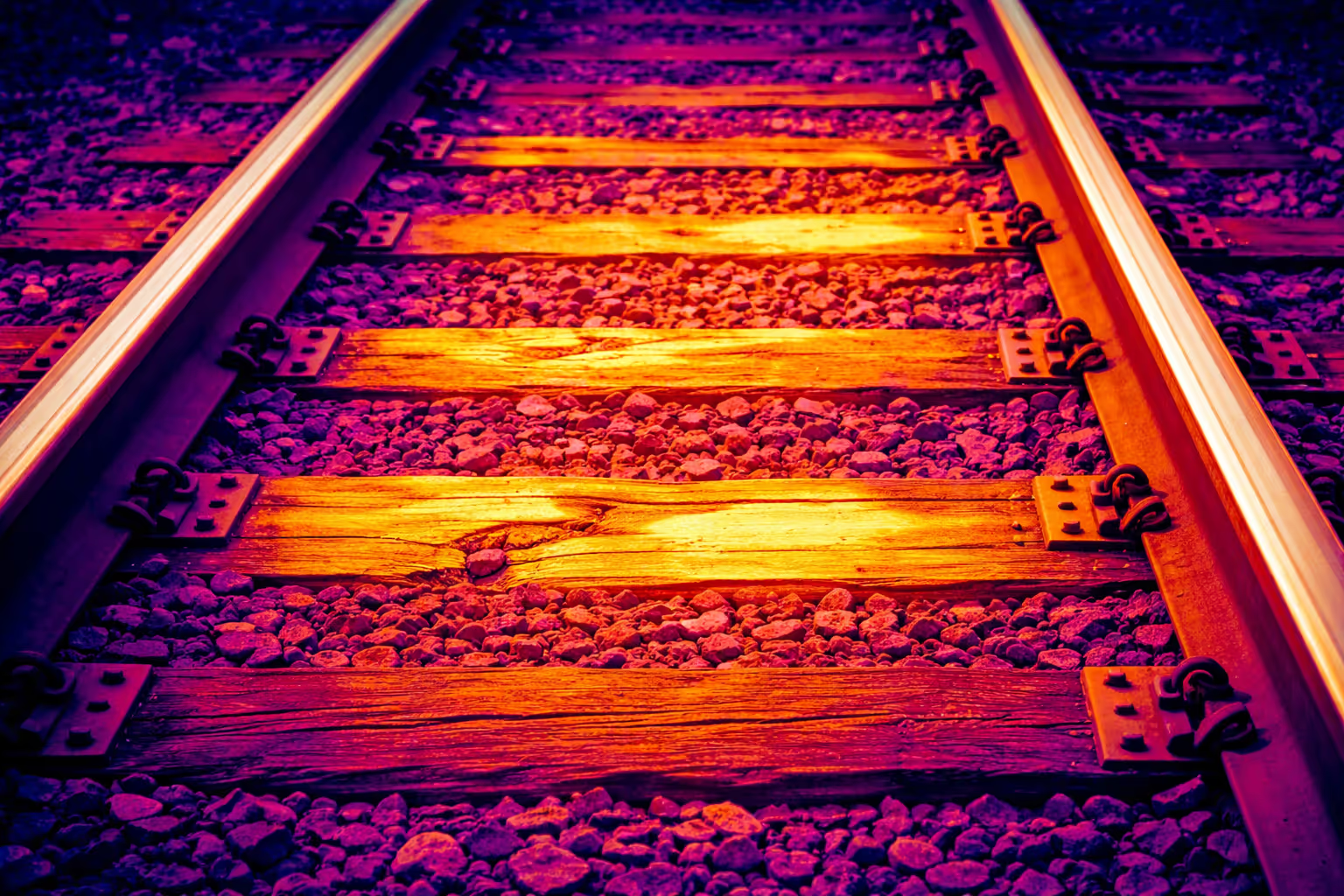
Thermal cameras detect subtle temperature shifts along your track bed. Damaged ties, wet ballast, and high-friction rail joints produce distinct heat signatures compared to healthy track infrastructure.
1. Defective Tie Detection & Internal Timber Rot
Failing timber ties retain and release heat differently than solid wood. Scanning at dusk creates high thermal contrast, allowing our operators to pinpoint:
- Internal Core Rot: Blotchy hot spots inside timber ties.
- Plate Cutting & Crushed Fibres: Linear heat scars beneath tie plates.
- High-Risk Tie Clusters: Groups of degraded ties requiring immediate replacement.
2. Ballast Moisture & Subgrade Drainage Failures
Trapped water in the ballast bed creates cool thermal signatures. Aerial thermal imaging reveals:
- Pumping Zones & Fouled Ballast: Saturated subgrade areas that compromise track geometry.
- Drainage Blockages: Water pockets that lead to subgrade failure and winter frost heaves.
3. Rail Joint Stress & Thermal Friction Points
Overheated rail components signal mechanical distress:
- Joint Friction & Binding: Heat buildup at rail joints from thermal expansion issues.
- Switch & Frog Alignment Anomalies: Elevated surface friction on active turnouts.
4. Right-of-Way Encroachment
High-definition visual survey mapping identifies vegetation crowding, brush hazards, and slope instability along the rail corridor.
Why choose Quality Railway Services?
Our drone pilots hold Transport Canada RPAS Advanced Certifications and have real experience working on active railways. Because Quality Railway Services also runs track maintenance crews, your inspection report can move straight into repair scheduling without hiring another contractor.
Ready to work with Quality Railway Services?


