
How to Choose the Right Railway Contractor for the Job: A Checklist
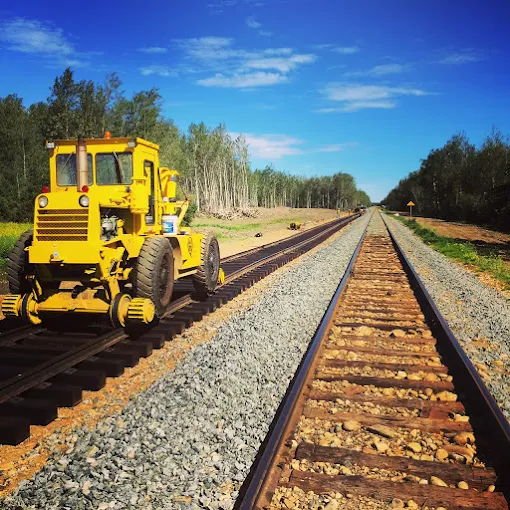
Selecting a third-party railway contractor to build, maintain, or repair your private industrial spur is a high-stakes operational decision. Because your track connects directly to Class 1 lines like CN and CPKC, hiring an under-qualified contractor can lead to track shutdowns, regulatory fines, and safety liabilities.
General civil construction companies rarely possess the specialized machinery, rail safety certifications, or emergency mobilization readiness required for active rail environments.
Use this 5-step checklist to vet potential railway contractors before signing a contract or Master Services Agreement (MSA).
1. Verify Active Safety & Regulatory Certifications
The most critical starting point when evaluating a rail contractor is workforce qualification. General construction credentials do not grant legal or safe access to active track corridors.
What to request:
- CROR Certification: Confirm every field worker holds active Canadian Rail Operating Rules (CROR) credentials to coordinate safely with Rail Traffic Controllers (RTC).
- TIGS Compliance: Ensure track inspectors hold Track Inspection Guidelines (TIGS) certification to legally perform structural inspections and sign off on track geometry under Transport Canada rules.
- COR Safety Status: Verify active Certificate of Recognition (COR) status, proving the company executes formal safety audits and field hazard assessments.
2. Inspect Fleet Capabilities and Hi-Rail Equipment
A contractor is only as reliable as the machinery they mobilize. Relying on rented or sub-standard equipment causes track-time delays, project cost overruns, and mechanical failures during tight outage windows.
What to request:
- Dedicated Hi-Rail Fleet: Ensure the contractor owns and operates specialized high-rail machinery, including boom trucks, backhoes, ballast regulators, and tie inserters.
- Class 1 Mechanical Approvals: Verify that all equipment meets the clearance envelope and mechanical safety parameters mandated by Class 1 and short-line carriers.
3. Evaluate Specialized Track Maintenance Credentials
Industrial tracks face heavy axle loads that rapidly wear down steel components. A qualified contractor must offer specialized field solutions beyond basic tie replacements.
What to look for:
- Thermite Welding Certification: Permanent rail joints require certified exothermic field welding and hydraulic rail tensioning to set the proper Rail Neutral Temperature (RNT), preventing summer track buckles and winter rail pull-aparts.
- Manganese Welding Expertise: Ensure field crews are qualified in low-temperature manganese micro-welding to rebuild worn frogs and turnout switch points without destroying the metallurgy of the track.
4. Confirm Dedicated Track Protection (RWIC)
Working on or near active tracks requires formal protection protocols to keep ground crews safe from moving rail traffic.
What to ask:
- Does the contractor supply their own certified Roadway Worker In Charge (RWIC) personnel?
- Can their flagmen establish formal Rule 42 or Track Occupancy Permit (TOP) protection zones?
Without dedicated track protection, your facility risks severe regulatory violations during maintenance projects.
5. Review Emergency Deployment and Response Capabilities
Track defects, broken rails, and switch failures do not happen on a 9-to-5 schedule. If an unexpected track issue halts rail car loading at your facility, waiting days for a contractor to mobilize costs thousands of dollars in demurrage fees.
What to ask:
- Does the contractor offer 24/7 emergency repair dispatch?
- Where are their equipment yards and field crews stationed relative to your facility?
Having a local contractor with crews and equipment based across Western Canada ensures rapid deployment when an active defect occurs.
Questions to Ask Before Awarding a Rail Contract
Before finalizing your contractor selection, ask prospective vendors these four questions:
- Can you provide references for similar industrial spur builds or maintenance programs in our region?
- Are your track inspectors certified to perform official Transport Canada compliance audits?
- What is your average response time for emergency track repairs?
- Do you manage the entire project scope internally, including track protection, materials sourcing, and final alignment?
Work with Quality Railway Services
Quality Railway Services provides turnkey track construction, scheduled maintenance, and 24/7 emergency repairs across Alberta, British Columbia, and Saskatchewan. Our crews bring COR certification, dedicated hi-rail equipment, and experienced track personnel to every site.
Need a qualified railway contractor for your upcoming project?
Contact Quality Railway Services online or call our office at 1 (855) 724-5777 to discuss your facility track requirements.

Ready to work with Quality Railway Services?


